

信息中心
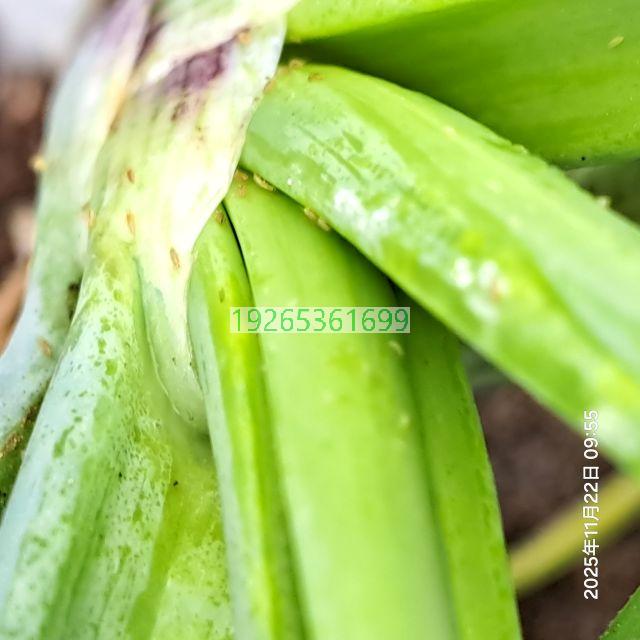
针对为害洋葱的蓟马(主要是烟蓟马,即常说的“非洲洋葱蓟马”),其防治技术需要更加精准,因为洋葱的叶片结构(筒状中空)为蓟马提供了极佳的隐藏场所。
以下是详细、可操作的非洲洋葱蓟马综合防治技术方案:
一、核心防治策略
“预防为主,综合防治”,抓住关键时期,地上地下结合,化学与物理措施并用。
二、具体防治技术措施
(一)农业生态防治
-
清洁田园:
-
前茬收获后:立即彻底清除田间的洋葱残体、落叶、杂草,并带出田外深埋或烧毁,消灭越冬虫源。
-
生长季:及时清除田间及地边的杂草,减少蓟马的替代寄主和栖息地。
-
-
轮作倒茬:避免与葱、蒜、韭菜等百合科作物连作,也不与棉花、茄果类等蓟马其他喜食作物邻作。建议与禾本科作物(如玉米、水稻)或十字花科蔬菜进行轮作。
-
肥水管理:
-
合理灌水:在高温干旱季节,适时勤灌水。蓟马喜干燥,通过灌溉或喷灌可增加田间湿度,抑制其繁殖,同时也能冲刷一部分虫体。但要注意避免田间积水。
-
科学施肥:增施充分腐熟的有机肥,提高植株抗逆性。避免偏施氮肥,以免植株生长过嫩,吸引蓟马为害。
-
(二)物理防治
-
蓝色粘虫板:这是监测和诱杀的关键工具。
-
设置时间:从定植缓苗后开始悬挂。
-
数量和位置:每亩悬挂20-30片,用竹竿固定,使板底部略高于洋葱植株顶部(10-20厘米)。
-
作用:不仅能诱杀大量成虫,还能根据粘虫板上虫口数量的变化,精准判断防治适期。
-
-
银灰色地膜覆盖:蓟马对银灰色有驱避作用。覆盖地膜可以减少土中蛹羽化的成虫钻出,同时也能驱赶外来迁入的蓟马。
(三)生物防治
-
保护利用天敌:如瓢虫、草蛉、捕食螨等。在化学防治时,尽量选择对天敌安全的特异性杀虫剂。
-
使用生物农药:如乙基多杀菌素、多杀霉素等,对蓟马高效,且对人和环境安全。
(四)化学防治(关键手段)
这是控制蓟马爆发的核心,但必须讲究策略和方法。
1. 防治关键时期:
-
移栽前:对苗床或幼苗进行喷药处理,做到无虫下田。
-
生长前期(4-6叶期):此时是蓟马开始迁入为害的第一个高峰,也是防治的第一个关键窗口。
-
鳞茎膨大期:此时期若受害,对产量和品质影响最大,是防治的重中之重。
2. 药剂选择与轮换方案:
由于蓟马易产生抗药性,必须轮换使用不同作用机理的药剂。
| 药剂类型 | 代表药剂 | 特点与用法 |
|---|---|---|
| 内吸性药剂 | 噻虫嗪、吡虫啉、氟啶虫胺腈 | 被植株吸收,能杀死隐藏在中筒叶内的蓟马。可灌根或叶面喷施。 |
| 触杀性药剂 | 乙基多杀菌素、多杀霉素 | 生物农药,触杀和胃毒,高效安全,可作为首选。 |
| 虫螨兼治药剂 | 甲维盐、虫螨腈、联苯菊酯 | 击倒速度快,可与其他药剂混用。注意抗性。 |
| 杀卵/抑制蜕皮 | 唑虫酰胺、螺虫乙酯 | 能杀卵或抑制若虫蜕皮,持效期长,可与速效性药剂混配。 |
推荐轮换组合示例:
-
方案一:乙基多杀菌素 + 噻虫嗪
-
方案二:唑虫酰胺 + 甲维盐
-
方案三:氟啶虫胺腈 + 联苯菊酯
3. 施药技术要点(决定成败!):
-
喷药时间:选择在早晨露水未干时或傍晚进行。此时蓟马活动活跃,且田间湿度大,药液易于展布和附着。
-
喷药部位:重点喷洒心叶及叶鞘基部!喷头要斜向上,对准洋葱的中筒叶内部和叶基部进行充分喷淋。常规从上往下喷施效果极差。
-
用水量要足:确保药液能流进叶鞘缝隙,每亩用水量建议在45-60公斤以上。
-
添加助剂:在药液中加入有机硅或植物油助剂,可以显著降低药液表面张力,提高其在洋葱蜡质叶片上的铺展和渗透能力,极大提升药效。
-
土壤处理:鉴于蓟马在土中化蛹,在为害严重的地块,可在喷药的同时,用噻虫嗪或辛硫磷颗粒剂撒施或兑水灌根,杀灭土中的蛹和若虫。
总结:洋葱蓟马防治流程
-
定植前/初期:悬挂蓝板监测,覆盖银灰膜。
-
发现为害(蓝板有虫或叶尖出现银白斑):立即施药。
-
药剂选择:选择内吸+触杀的组合(如噻虫嗪+乙基多杀菌素),并加入有机硅助剂。
-
精准施药:在傍晚,用足水量,重点喷淋心叶和叶基部。
-
持续防控:5-7天后,根据虫情换用不同机理的药剂(如唑虫酰胺+甲维盐)进行第二次防治。连续2-3次,彻底打断其繁殖链。
-
全程配合:始终结合清洁田园、合理灌水等农业措施。
通过以上综合技术,可以有效控制洋葱蓟马的为害,保障洋葱的产量和商品品质。
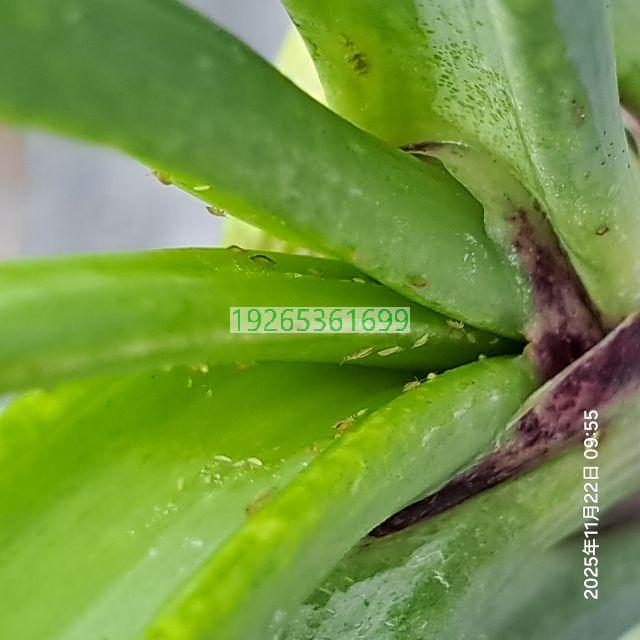
For thrips that damage onions (mainly tobacco thrips, commonly known as "African onion thrips"), control techniques need to be more precise because the hollow, tubular structure of onion leaves provides excellent hiding places for thrips.
The following is a detailed and practical integrated management plan for African onion thrips:
I. Core Control Strategy
"Prevention first, integrated control," focusing on key periods, combining above-ground and underground methods, and using both chemical and physical measures.
II. Specific Control Techniques
(I) Agricultural Ecological Control
Field Cleaning:
After the previous crop harvest: Immediately and thoroughly remove onion residues, fallen leaves, and weeds from the field, and bury or burn them outside the field to eliminate overwintering sources of pests.
During the growing season: Promptly remove weeds from the field and along field edges to reduce alternative hosts and habitats for thrips.
Crop Rotation: Avoid continuous cropping with lily family crops such as onions, garlic, and leeks, and also avoid adjacent cropping with other crops that thrips prefer, such as cotton and solanaceous crops. It is recommended to rotate crops with gramineous crops (such as corn and rice) or cruciferous vegetables.
Fertilizer and Water Management:
Rational Irrigation: During hot and dry seasons, irrigate frequently and appropriately. Thrips prefer dry conditions; irrigation or sprinkler irrigation can increase field humidity, inhibit their reproduction, and also wash away some insects. However, care should be taken to avoid waterlogging.
Scientific Fertilization: Apply fully decomposed organic fertilizer to improve plant resistance. Avoid excessive nitrogen fertilizer, as this can cause the plants to grow too tender, attracting thrips.
(II) Physical Control
Blue Sticky Traps: This is a key tool for monitoring and trapping thrips.
Setting Time: Begin hanging them after the seedlings have established themselves.
Quantity and Location: Hang 20-30 traps per acre, secured with bamboo poles, ensuring the bottom of the trap is slightly higher than the top of the onion plants (10-20 cm).
Function: Not only can it trap and kill a large number of adult thrips, but it also allows for precise determination of the optimal control period based on changes in the number of thrips on the traps.
Silver-gray mulch: Thrips are repelled by silver-gray color. Mulching reduces the emergence of adult thrips from the soil and also repels invasive thrips.
(III) Biological Control
Protect and utilize natural enemies: such as ladybugs, lacewings, and predatory mites. In chemical control, choose specific insecticides that are safe for natural enemies.
Use biological pesticides: such as spinosad and ethyl spinosad, which are highly effective against thrips and safe for humans and the environment.
(IV) Chemical Control (Key Method)
This is the core of controlling thrips outbreaks, but strategies and methods must be carefully considered.
1. Key Periods for Control:
Before transplanting: Spray the seedbed or seedlings with pesticides to ensure pest-free transplanting.
Early growth stage (4-6 leaf stage): This is the first peak period for thrips migration and damage, and also the first critical window for control.
Bulb enlargement stage: Damage during this period has the greatest impact on yield and quality, making it the most important time for control. 2. Pesticide Selection and Rotation: Because thrips easily develop resistance, it is essential to rotate pesticides with different mechanisms of action.
Pesticide Type | Representative Pesticide | Characteristics and Usage
Systemic Pesticides | Thiamethoxam, Imidacloprid, Flupyradifurone | Absorbed by the plant, kills thrips hidden in the middle leaves. Can be applied by root drenching or foliar spraying.
Contact Pesticides | Ethyl Spinosad, Spinosad | Biological pesticides, contact and stomach poisons, highly effective and safe, can be the first choice.
Dual Control Pesticides | Abamectin, Chlorfenapyr, Bifenthrin | Fast knockdown, can be mixed with other pesticides. Be aware of resistance.
Ovicidal/Morpholytic Pesticides | Azoxystrobin, Spirotetramat | Kills eggs or inhibits nymphal molting, long-lasting effect, can be mixed with fast-acting pesticides.
Recommended pesticide rotation combinations:
Option 1: Ethyl spinosad + Thiamethoxam
Option 2: Azoxystrobin + Abamectin
Option 3: Flupyradifurone + Bifenthrin
3. Key Application Techniques (Determining Success!):
Spraying Time: Choose to spray in the morning before the dew dries or in the evening. At this time, thrips are active, and the field humidity is high, making it easier for the pesticide to spread and adhere.
Spraying Location: Focus on spraying the heart leaves and the base of the leaf sheaths! The nozzle should be angled upwards, aiming at the inside of the onion's central leaves and the base of the leaves for thorough spraying. Conventional top-down spraying is extremely ineffective.
Sufficient Water Quantity: Ensure the pesticide solution can flow into the gaps between the leaf sheaths. It is recommended to use more than 45-60 kg of water per acre.
Adding Adjuvants: Adding organosilicon or vegetable oil adjuvants to the pesticide solution can significantly reduce the surface tension of the solution, improve its spreading and penetration ability on the waxy leaves of onions, and greatly enhance the efficacy.
Soil Treatment: Since thrips pupate in the soil, in severely infested areas, thiamethoxam or phorate granules can be applied or diluted with water and used as a root drench while spraying pesticides to kill the pupae and nymphs in the soil.
Summary: Onion Thrips Control Process
Pre-planting/Early Stage: Hang blue sticky traps for monitoring and cover with silver-gray film.
Infestation Detection (insects on blue sticky traps or silver-white spots on leaf tips): Apply pesticides immediately.
Pesticide Selection: Choose a combination of systemic and contact pesticides (e.g., thiamethoxam + spinosad), and add an organosilicone adjuvant.
Precise Application: In the evening, use sufficient water to spray, focusing on the heart leaves and leaf base.
Continuous Control: After 5-7 days, switch to a pesticide with a different mechanism of action (e.g., azoxystrobin + emamectin benzoate) for a second treatment, depending on the infestation level. Repeat 2-3 times to completely disrupt the reproductive chain.
Combined Management: Always integrate with agricultural measures such as field sanitation and proper irrigation.
By employing the above integrated technologies, the damage caused by onion thrips can be effectively controlled, ensuring onion yield and product quality.