

信息中心
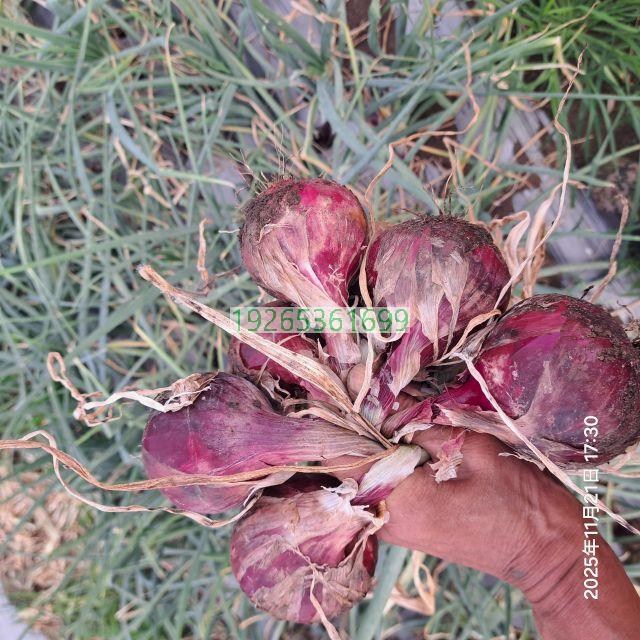
核心理念:中国技术本地化
不能生搬硬套,必须将中国技术的“精耕细作、设施化、集约化”与塞舌尔的热带海洋性气候(高温、高湿、雨季旱季分明)相结合。核心目标是抗涝、防病、保肥。
一、品种选择:成功的第一步
中国经验表明,良种是高产的基础。针对塞舌尔气候,应选择:
-
抗病性强:尤其要抗霜霉病、紫斑病等在高湿环境下易发的病害。
-
耐湿热:对高温和湿度不敏感,休眠期短的品种。
-
光周期不敏感:确保在塞舌尔纬度能正常膨大。
-
推荐引进的中国或国际良种:
-
中熟或早熟品种:如一些中国的“黄皮洋葱”品种,它们适应性广,抗逆性强。
-
杂交一代:虽然成本高,但具有生长势强、整齐度高、产量显著提升的优势,是中国高产种植的首选。可以小规模试种如“太阳红”、“金冠”等适应热带地区的品种。
-
二、集约化育苗:中国技术的核心优势
摒弃粗放的直播方式,采用中国精耕细作的育苗移栽法。
-
苗床准备(中国标准):
-
选址:地势高燥、排水良好、未种过葱蒜类的地块。
-
做床:制作宽1.2-1.5米,高15-20厘米的高畦,长度适中。畦面要求“上暄下实”,即表层疏松,下层紧实,利于保墒和起苗。
-
施肥:每平方米苗床施入充分腐熟的有机肥5-10公斤,并掺入少量过磷酸钙。务必消毒:可用福尔马林或多菌灵对苗床土壤进行消毒,预防土传病害。
-
-
播种管理:
-
播种期:根据塞舌尔的旱季安排,在雨季来临前完成移栽,争取在相对干燥的季节生长和采收。
-
播种量:精确控制,每平方米播4-6克种子,确保幼苗有足够的生长空间,培育壮苗。
-
覆盖:播种后覆盖0.5-1厘米厚的细土,然后覆盖稻草或遮阳网以保墒和防晒。出苗后及时揭去。
-
-
苗期管理(关键):
-
水肥:保持土壤湿润,避免大水漫灌。可结合浇水追施1-2次稀薄的尿素溶液。
-
除草:及时人工拔除杂草。
-
炼苗:移栽前7-10天,控制浇水量并逐步增加日照时间,使幼苗叶色深绿、茎秆粗壮,提高抗逆性。
-
三、整地与定植:创造最佳根际环境
-
深耕晒垡(中国重要经验):
-
对土地进行深度翻耕(25-30厘米),将土壤暴晒5-7天。此举能有效杀灭土传病菌和虫卵,活化土壤。
-
-
高肥力基肥(中国高产基石):
-
结合整地,每亩施入3-5吨充分腐熟的农家肥或商品有机肥作为基肥。
-
配合施用氮磷钾复合肥(如15-15-15)每亩50-75公斤,并增施过磷酸钙30-50公斤,促进根系发育。
-
-
高垄地膜覆盖(革命性技术):
-
必须起高垄:垄高20-25厘米,垄面宽60-70厘米,沟宽30-40厘米。这是应对塞舌尔降雨、防止烂根的关键措施。
-
推广地膜覆盖:
-
黑色地膜:优势极强——保湿、抑草、防雨溅、防止肥料流失、提高地温。能显著减少杂草危害和田间湿度。
-
方法:垄上覆盖地膜,拉紧铺平。
-
-
-
合理密植:
-
壮苗标准:苗龄50-60天,3-4片真叶,茎粗似筷子,无病虫害。
-
定植:在地膜上按行距20厘米,株距15厘米打孔移栽,每亩保苗2.2万-2.5万株。栽植深度以不埋没心叶为宜,栽后及时浇定根水。
-
四、田间管理:水肥一体与精准防控
-
水分管理:
-
原则:幼苗期“见干见湿”,鳞茎膨大期“保持湿润”,采收前1-2周“严格控水”。
-
推荐技术:有条件的地区可引入滴灌技术,将水和肥直接输送到根部,这是最高效节水的中国现代化农业技术。
-
-
施肥技术(“少量多次”中国追肥法):
-
提苗肥:定植缓苗后(约7-10天),每亩追施尿素5-8公斤。
-
发棵肥:定植后3-4周,每亩追施高氮复合肥15-20公斤。
-
膨大肥(最关键):当鳞茎开始膨大(植株长出8-10片叶时),重施高钾复合肥(如12-12-17)每亩20-30公斤,这是产量形成的关键。
-
-
中耕除草:
-
覆盖地膜后,除草压力大减。未覆膜地块需在生长前期进行2-3次浅中耕,清除杂草并破除土壤板结。
-
五、主要病害综合防治:预防为主,绿色防控
塞舌尔高湿环境病害风险高,必须贯彻中国的 “预防为主,综合防治” 方针。
-
农业防治:
-
轮作:与水稻、玉米等非百合科作物轮作2年以上。
-
清洁田园:及时清除病叶、病株,收获后彻底清理田间残体。
-
-
物理防治:覆盖地膜,减少病原菌雨溅传播。
-
化学防治(科学用药):
-
霜霉病:发病初期用烯酰吗啉、甲霜灵或嘧菌酯喷雾。
-
紫斑病:用代森锰锌(保护性)或嘧菌酯(治疗性)喷雾。
-
软腐病:注意防治地下害虫,避免伤口;可用春雷霉素等铜制剂灌根。
-
关键:轮换用药,避免产生抗药性;遵守安全间隔期。
-
六、采收与采后处理
-
采收时机:当50%以上的植株叶片变黄、倒伏,假茎变软时即为最佳采收期。
-
采收:选择晴天进行,小心地将鳞茎拔出,避免机械损伤。
-
中国式采后处理:
-
田间晾晒:将洋葱带叶原地摆放,用后排的叶子盖住前排的鳞茎,晾晒2-3天。期间翻动一次。
-
挂贮或堆藏:剪去根部和叶片(留假茎1-2厘米)后,继续在通风、干燥、阴凉处晾挂或堆藏后熟2-3周,使外皮完全干燥,这个过程能显著提升耐贮性。
-
分级贮藏:按大小分级,剔除病伤球,贮藏于阴凉通风处。
-
总结:引进中国技术的重点
-
设施化:推广高垄+黑色地膜覆盖技术,这是应对高湿多雨环境的低成本、高效益解决方案。
-
标准化:引入中国集约化育苗和标准化施肥流程,改变粗放管理。
-
精准化:倡导 “看苗诊断” ,根据植株长势进行精准的水肥管理和病害防治。
通过系统性地引进和本地化这些在中国已被证明极其成功的种植技术,塞舌尔完全有能力大幅提升洋葱产量,减少进口依赖,保障本国粮食安全。建议先进行小面积的示范种植,成功后再大规模推广。
Core Concept: Localization of Chinese Technology
Integration of Chinese technology with Seychelles technology is crucial. It cannot be a matter of simply copying existing methods; it must be combined with the intensive, facility-based, and efficient cultivation techniques of China, adapting to the tropical maritime climate of Seychelles (high temperature, high humidity, and distinct rainy and dry seasons). The core objectives are flood resistance, disease prevention, and fertilizer retention.
I. Variety Selection: The First Step to Success
Chinese experience shows that superior varieties are the foundation of high yields. For the Seychelles climate, the following varieties should be selected:
Strong disease resistance: Especially resistant to downy mildew, purple blotch, and other diseases that are prone to occur in high humidity environments.
Tolerance for heat and humidity: Varieties that are not sensitive to high temperatures and humidity and have short dormancy periods.
Insensitivity to photoperiod: Ensuring normal fruit enlargement at the Seychelles' latitude.
Recommended Chinese or international superior varieties:
Medium-maturing or early-maturing varieties: Such as some Chinese "yellow-skinned onion" varieties, which are widely adaptable and highly resistant to adverse conditions.
Hybrid F1: Although more expensive, they offer advantages such as strong growth vigor, high uniformity, and significantly increased yield, making them the first choice for high-yield cultivation in China. Small-scale trial planting of varieties adapted to tropical regions, such as "Sun Red" and "Golden Crown," is possible.
II. Intensive Seedling Raising: The Core Advantage of Chinese Technology
Abandoning the extensive direct seeding method, the intensive seedling transplanting method of China is adopted.
Seedbed Preparation (Chinese Standard):
Site Selection: High, dry, well-drained land that has not been previously planted with onions or garlic.
Bed Construction: Construct raised beds 1.2-1.5 meters wide and 15-20 centimeters high, with moderate length. The bed surface should be "loose on top and firm underneath," meaning the surface layer is loose and the bottom layer is compact, which is conducive to moisture retention and seedling lifting.
Fertilization: Apply 5-10 kg of fully decomposed organic fertilizer per square meter of seedbed, mixed with a small amount of superphosphate. Disinfection is essential: The seedbed soil can be disinfected with formalin or carbendazim to prevent soil-borne diseases.
Sowing Management:
Sowing Time: Transplanting should be completed before the rainy season, according to Seychelles' dry season schedule, aiming for growth and harvesting during the relatively dry season.
Sowing Rate: Precisely control the amount of seeds, sowing 4-6 grams per square meter to ensure sufficient growing space for strong seedlings.
Coverage: After sowing, cover with 0.5-1 cm of fine soil, then cover with straw or shade netting to retain moisture and protect from sun exposure. Remove the cover promptly after emergence.
Seedling Management (Critical):
Water and Fertilizer: Keep the soil moist, avoiding excessive irrigation. Apply a diluted urea solution 1-2 times along with watering.
Weed Control: Remove weeds manually in a timely manner.
Hardworking: 7-10 days before transplanting, control watering and gradually increase sunlight exposure to promote deep green leaves, robust stems, and improved resistance to adverse conditions.
III. Land Preparation and Planting: Creating the Optimal Rhizosphere Environment
Deep Tillage and Sun-Drying (Important Chinese Experience):
Deeply till the land (25-30 cm) and expose the soil to sunlight for 5-7 days. This effectively kills soil-borne pathogens and insect eggs, and revitalizes the soil.
High-Fertility Base Fertilizer (The Cornerstone of High Yields in China):
Apply 3-5 tons of fully decomposed farmyard manure or commercial organic fertilizer per acre as base fertilizer during land preparation.
Supplement with 50-75 kg of NPK compound fertilizer (e.g., 15-15-15) per acre, and additionally apply 30-50 kg of superphosphate to promote root development.
High-Ridge Mulching (Revolutionary Technology):
High ridges are essential: ridge height 20-25 cm, ridge width 60-70 cm, and furrow width 30-40 cm. This is a key measure to cope with Seychelles rainfall and prevent root rot.
Promotion of Mulching:
Black Mulching Film: Extremely advantageous – retains moisture, suppresses weeds, prevents rain splashing, prevents fertilizer loss, and increases soil temperature. Significantly reduces weed damage and field humidity.
Method: Cover the mulch film on the ridges, stretching it taut and leveling it.
Reasonable Planting Density:
Strong Seedling Standards: Seedlings 50-60 days old, 3-4 true leaves, stems as thick as chopsticks, free from pests and diseases.
Transplanting: Transplant seedlings through holes punched in the mulch film at a row spacing of 20 cm and a plant spacing of 15 cm, maintaining 22,000-25,000 seedlings per acre. Planting depth should be such that the central leaves are not buried. Water thoroughly after planting.
IV. Field Management: Integrated Water and Fertilizer Management and Precision Control
Water Management:
Principles: Water thoroughly when the soil is dry to the touch during the seedling stage; keep the soil moist during bulb enlargement; strictly control watering 1-2 weeks before harvest.
Recommended Technology: In areas with suitable conditions, drip irrigation technology can be introduced to deliver water and fertilizer directly to the roots. This is the most efficient water-saving modern agricultural technology in China.
Fertilization Technology ("Small, Frequent" Chinese Topdressing Method):
Seedling Fertilizer: After transplanting and seedling establishment (approximately 7-10 days), apply 5-8 kg of urea per mu (approximately 0.067 hectares).
Growth Fertilizer: 3-4 weeks after transplanting, apply 15-20 kg of high-nitrogen compound fertilizer per mu (approximately 0.067 hectares).
Bulging Fertilizer (Most Crucial): When the bulbs begin to swell (when the plant has 8-10 leaves), apply a heavy dose of high-potassium compound fertilizer (such as 12-12-17) at 20-30 kg per mu (approximately 0.067 hectares). This is crucial for yield formation.
Cultivation and Weeding:
After mulching, the burden of weeding is greatly reduced. Unmulched plots require 2-3 shallow cultivations in the early growth stage to remove weeds and break up soil compaction.
V. Integrated Management of Major Diseases: Prevention First, Green Control The Seychelles' high humidity environment poses a high risk of disease, necessitating the implementation of China's "prevention first, integrated management" policy.
Agricultural Control:
Crop Rotation: Rotate with non-lily family crops such as rice and corn for at least two years.
Field Sanitation: Promptly remove diseased leaves and plants, and thoroughly clean up field residues after harvest.
Physical Control: Cover with mulch to reduce pathogen splash spread.
Chemical Control (Scientific Use of Pesticides):
Downy Mildew: Spray with dimethomorph, metalaxyl, or azoxystrobin at the initial stage of disease.
Purple Spot: Spray with mancozeb (protective) or azoxystrobin (cure).
Soft Rot: Pay attention to controlling underground pests and avoid wounds; copper-based fungicides such as kasugamycin can be used for root drenching.
Key Points: Rotate pesticides to avoid resistance; adhere to safe intervals.
VI. Harvesting and Post-Harvest Treatment
Harvesting Time: The optimal harvesting time is when more than 50% of the plant leaves turn yellow and droop, and the pseudostem softens.
Harvesting: Choose a sunny day and carefully pull out the bulbs, avoiding mechanical damage.
Chinese-style Post-Harvest Treatment:
Field Drying: Lay the onions with leaves on in place, covering the bulbs in the front row with leaves from the back row, and dry for 2-3 days. Turn them over once during this period.
Hanging or Pile Storage: After cutting off the roots and leaves (leaving 1-2 cm of pseudostem), continue to hang or pile them in a well-ventilated, dry, and cool place for post-ripening for 2-3 weeks to ensure the outer skin is completely dry. This process significantly improves storage resistance.
Grading and Storage: Grade the bulbs by size, remove diseased or damaged bulbs, and store them in a cool, well-ventilated place.
Summary: Key Points of Introducing Chinese Technology
Infrastructure Development: Promote the use of high-ridge + black plastic film mulching technology, which is a low-cost, high-efficiency solution for high-humidity and rainy environments.
Standardization: Introducing China's intensive seedling cultivation and standardized fertilization processes to change extensive management practices.
Precision: Advocating "seedling diagnosis" to provide precise water and fertilizer management and disease control based on plant growth.
By systematically introducing and localizing these cultivation techniques, which have proven highly successful in China, Seychelles is fully capable of significantly increasing onion production, reducing import dependence, and ensuring domestic food security. It is recommended to first conduct small-scale demonstration plantings, and then promote large-scale implementation after success.